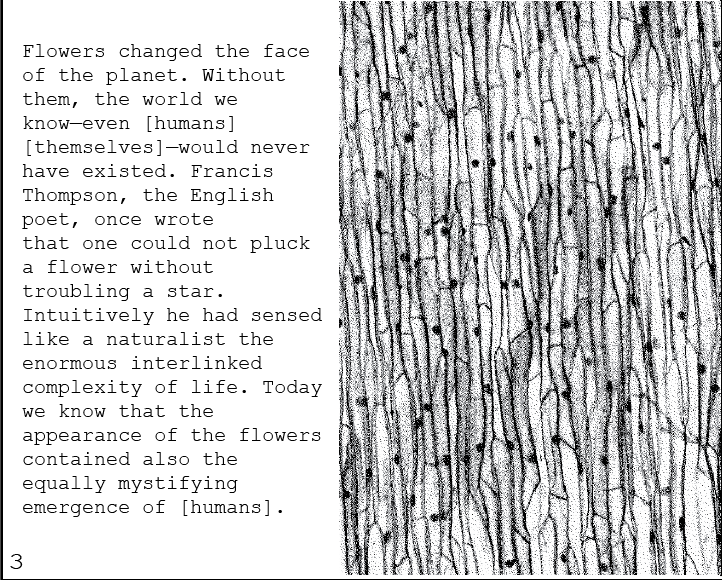
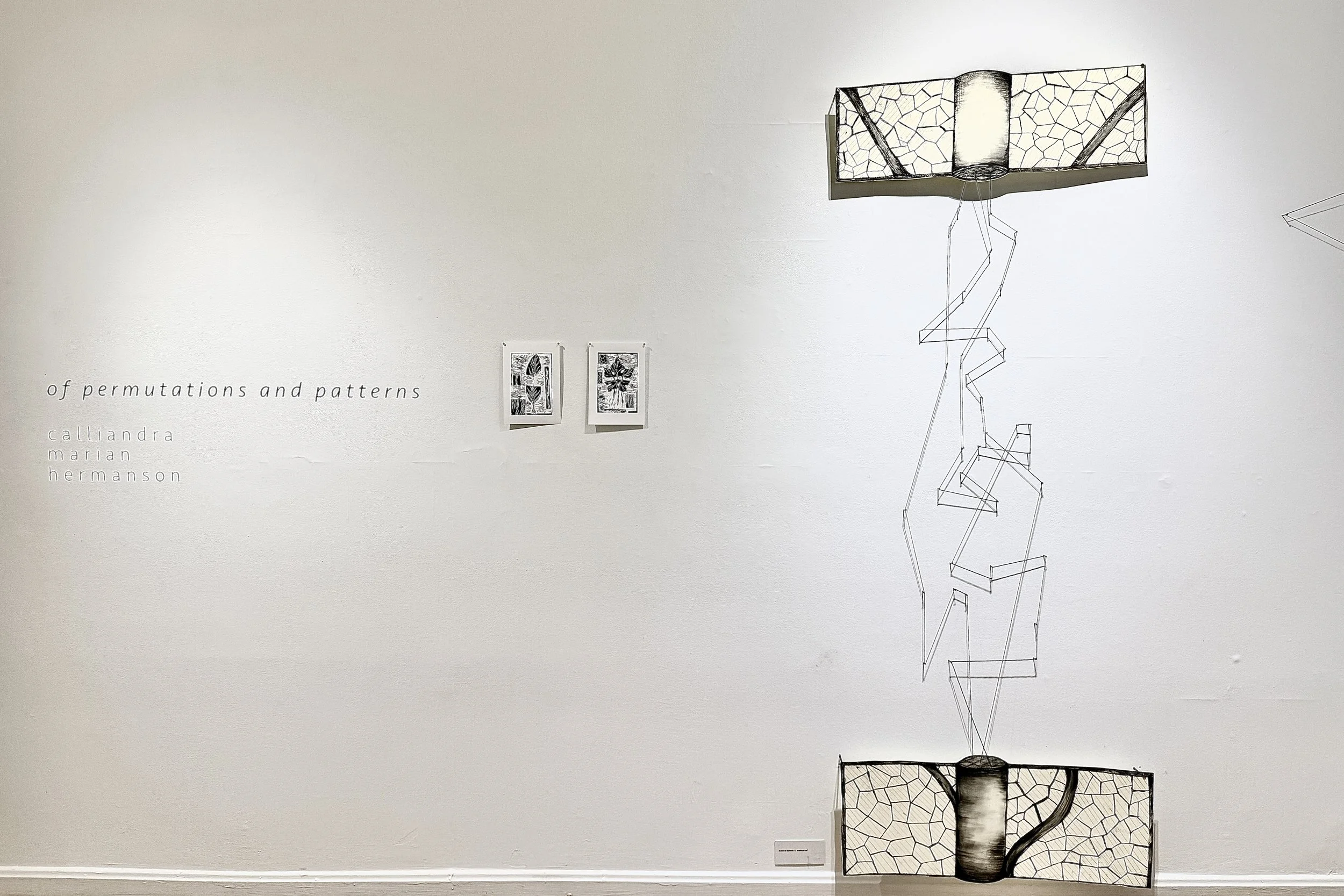
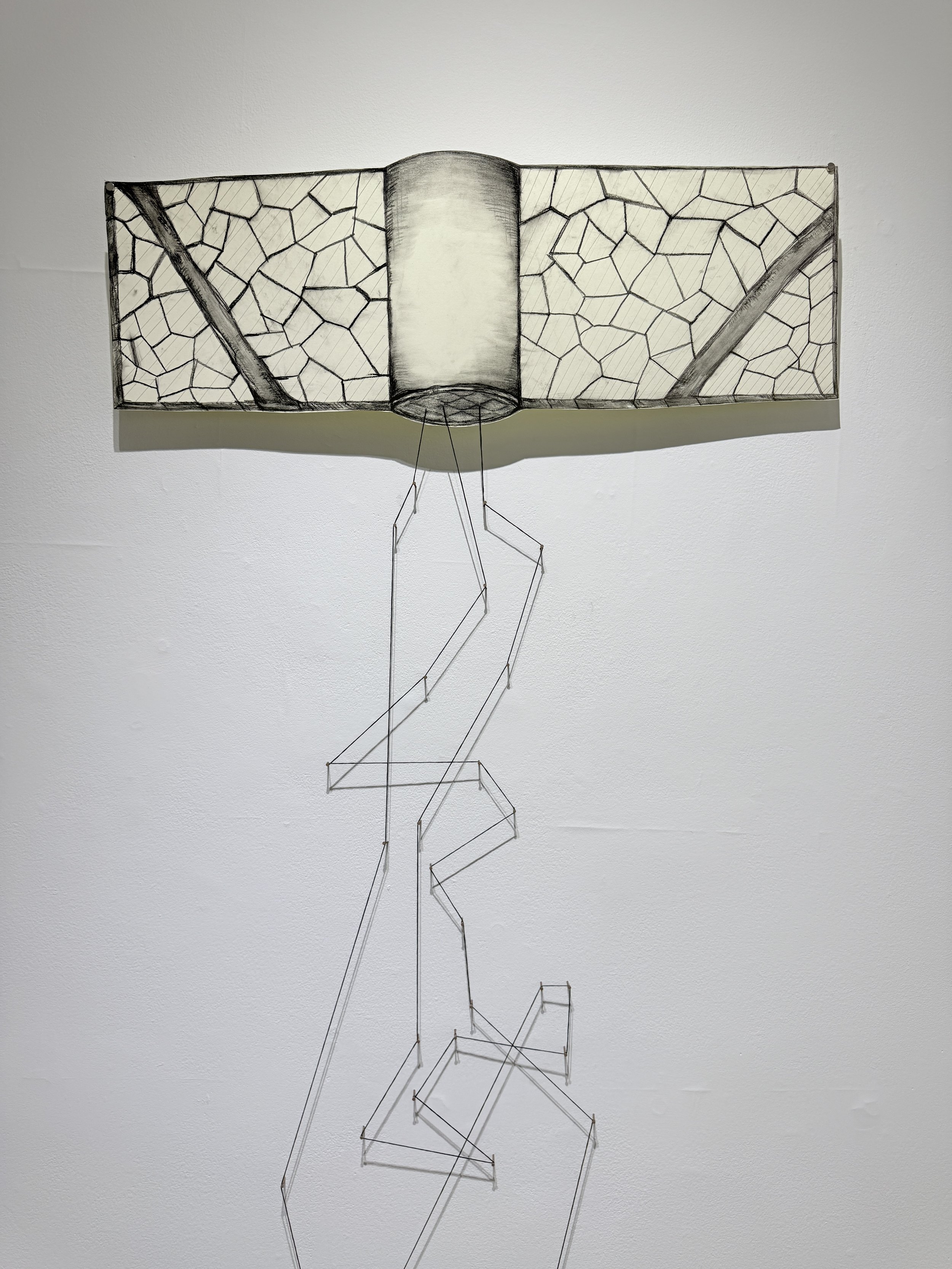
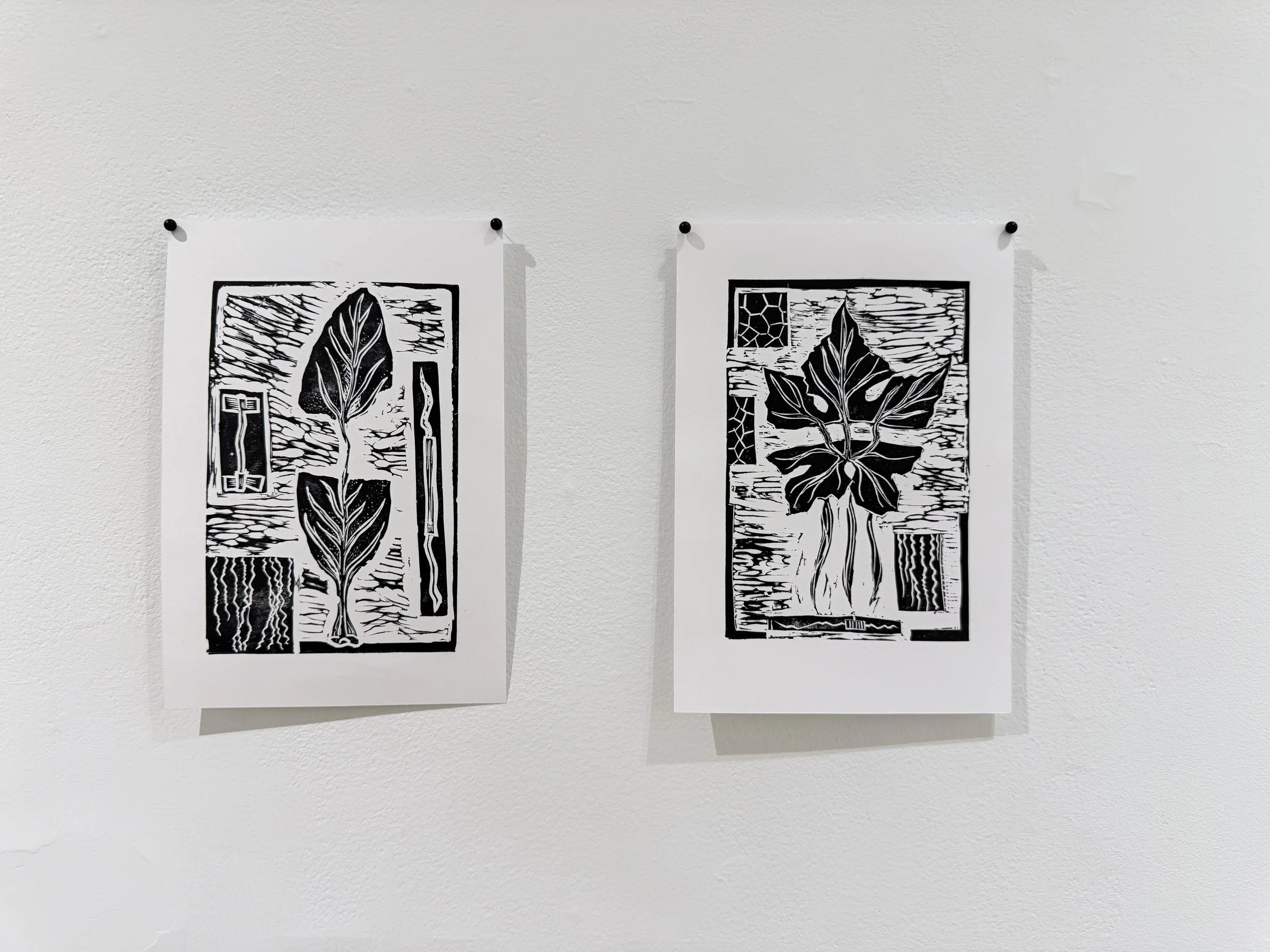
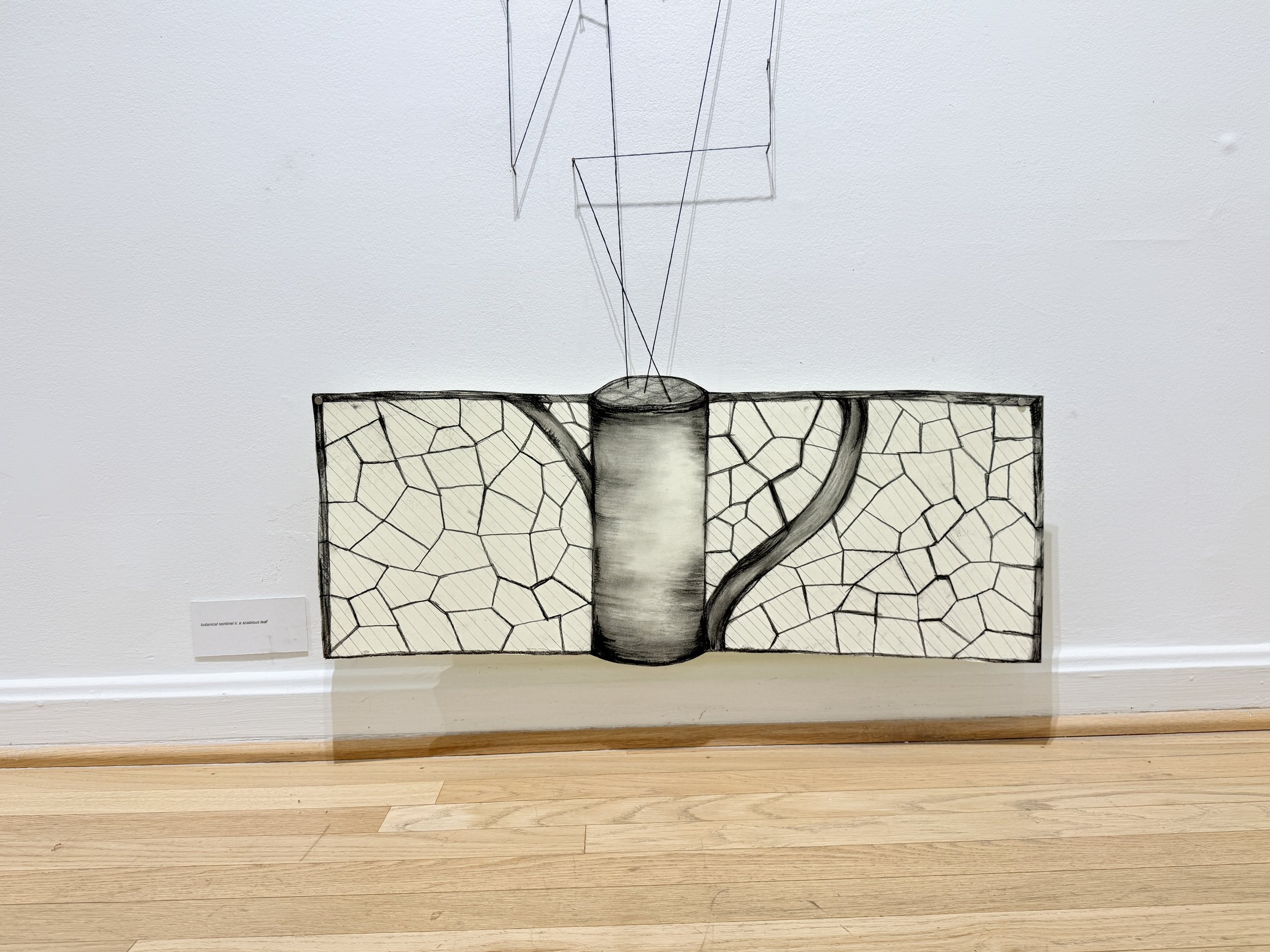
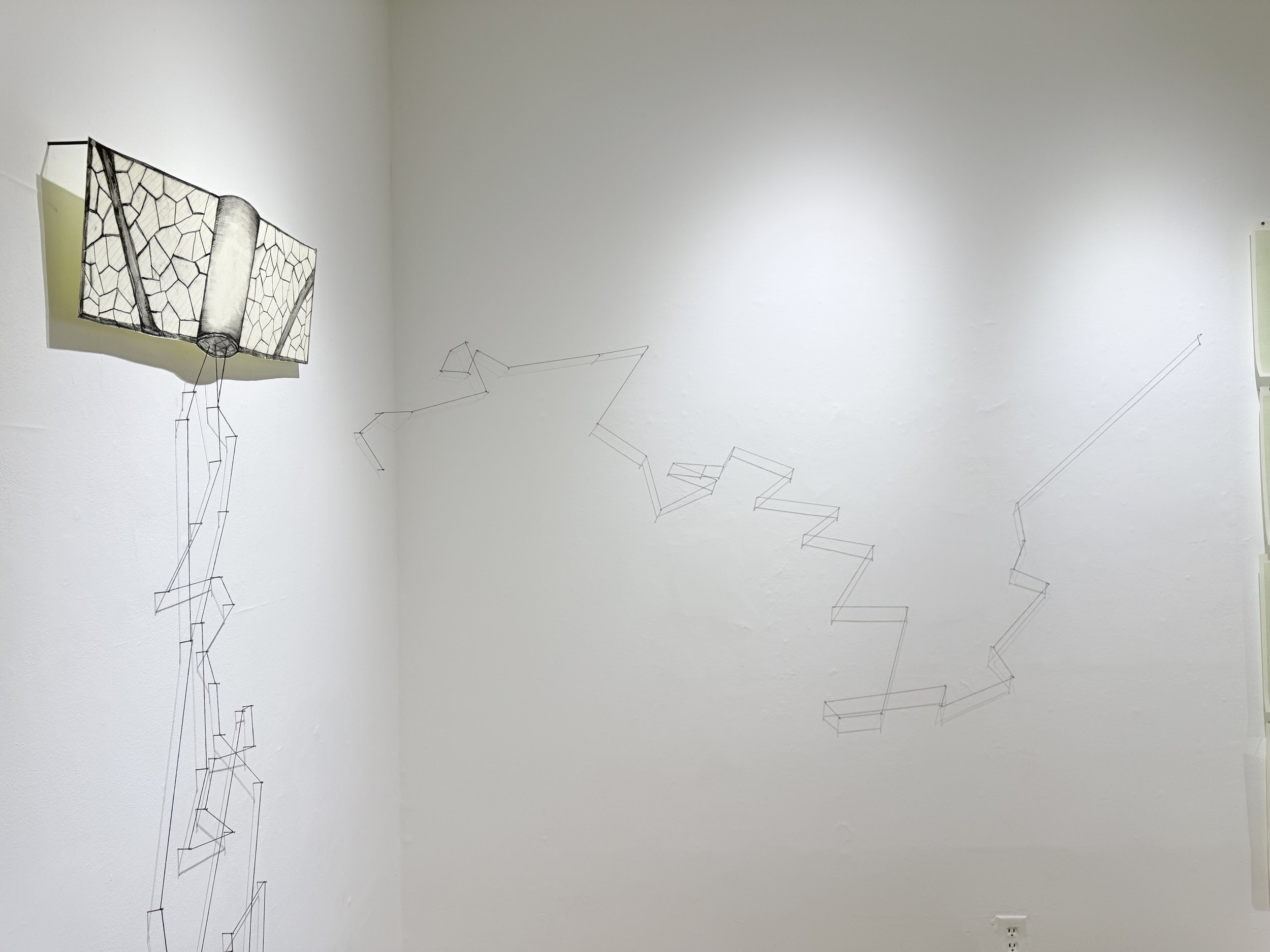
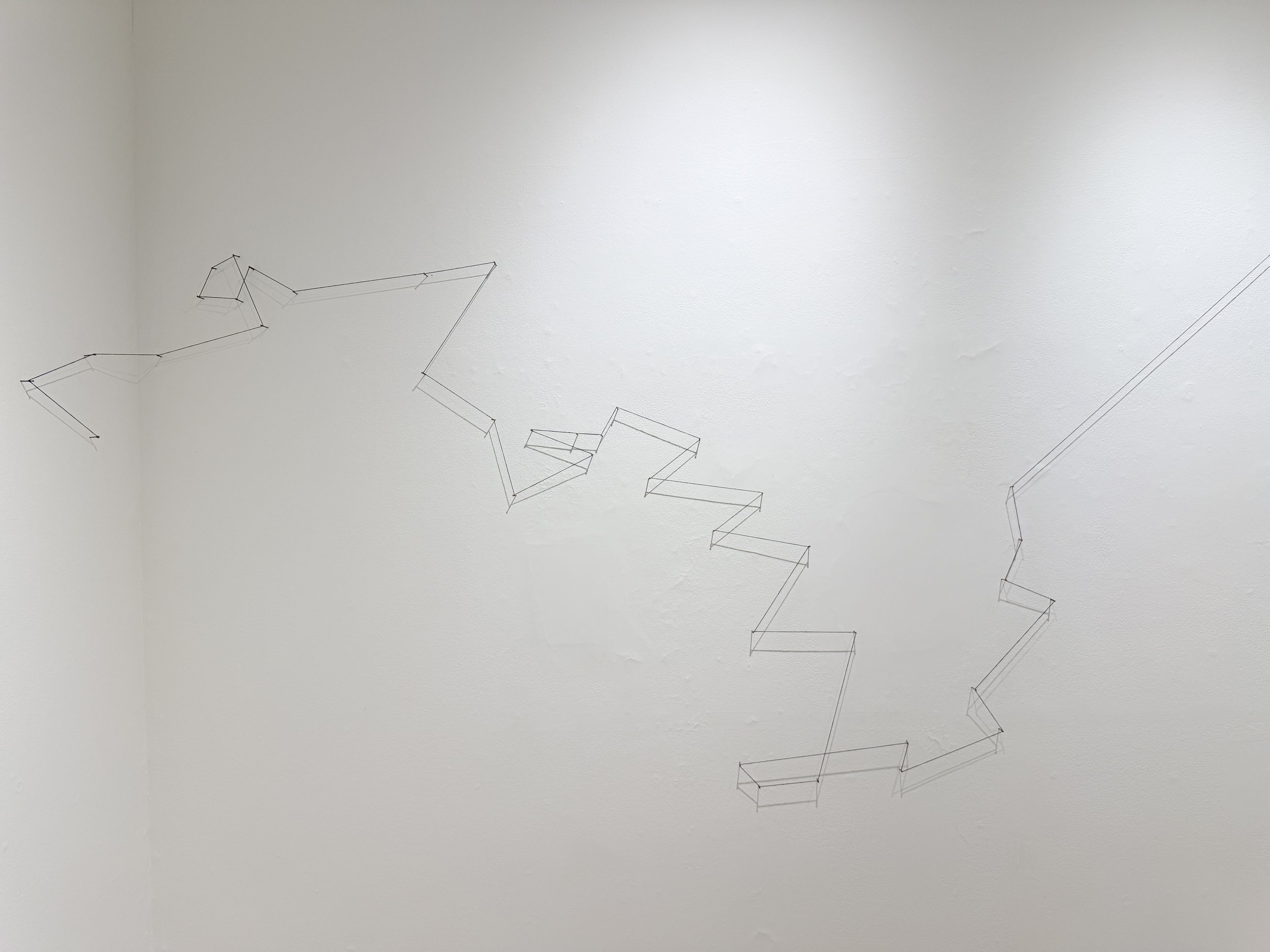
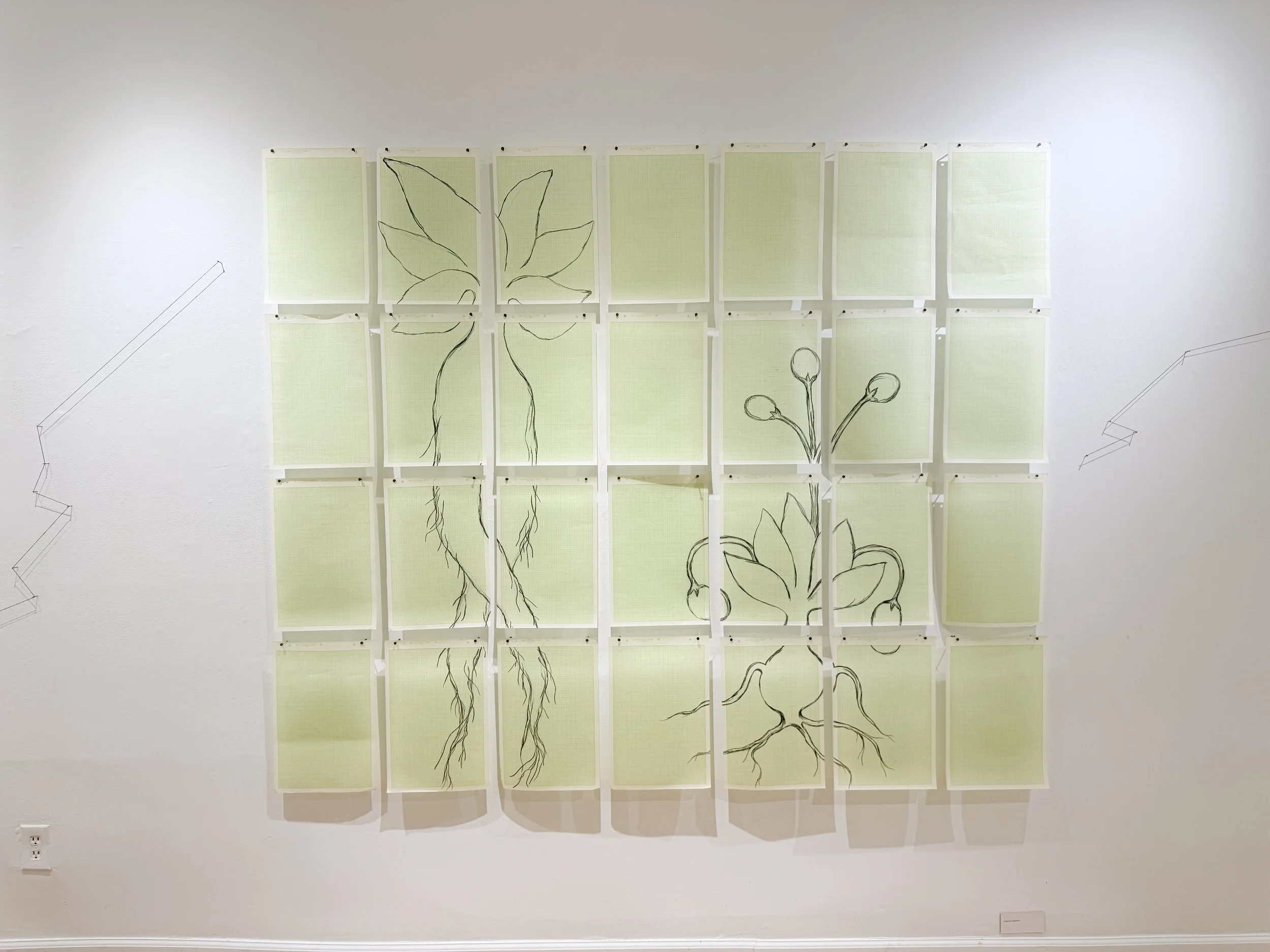
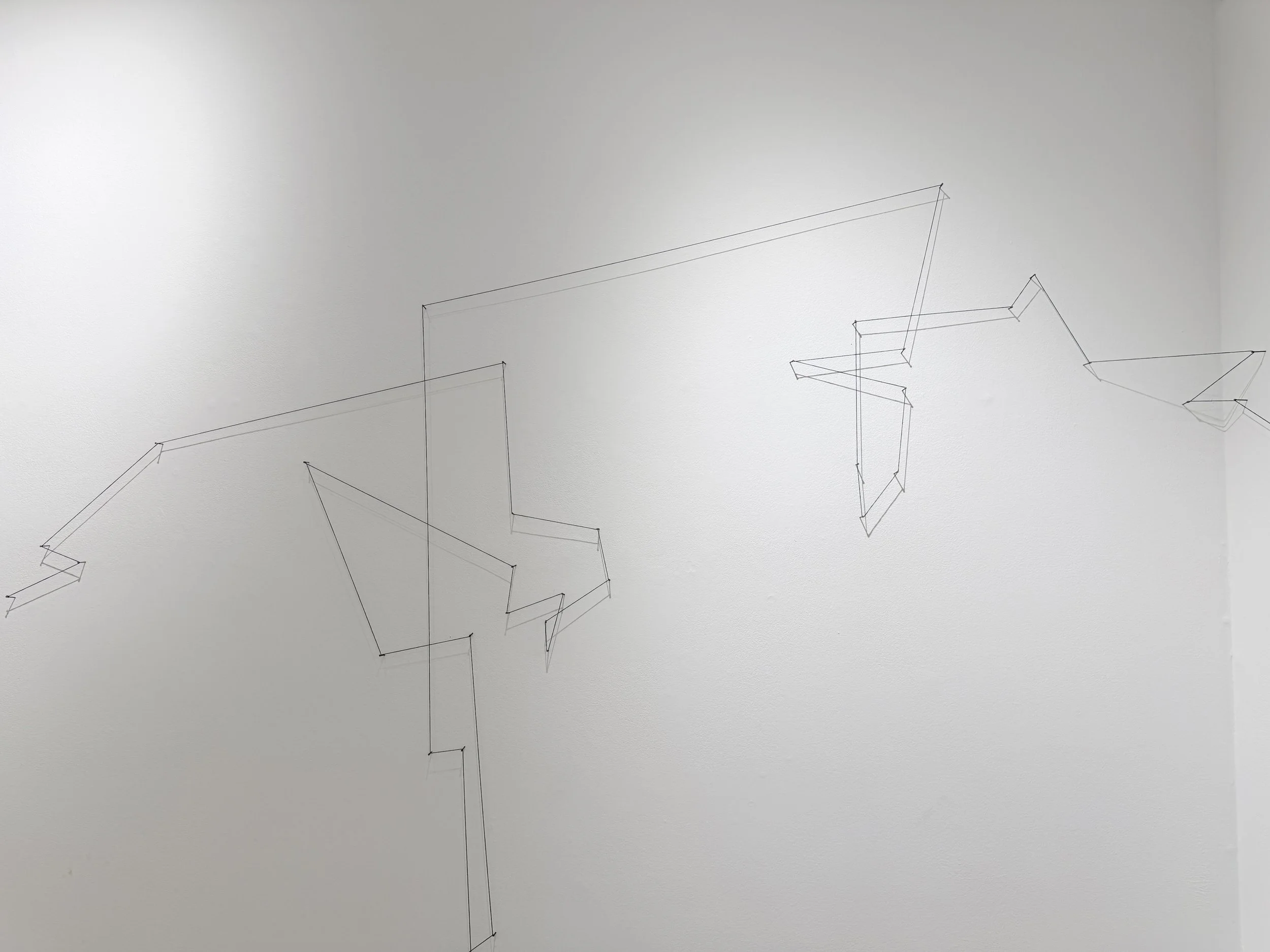
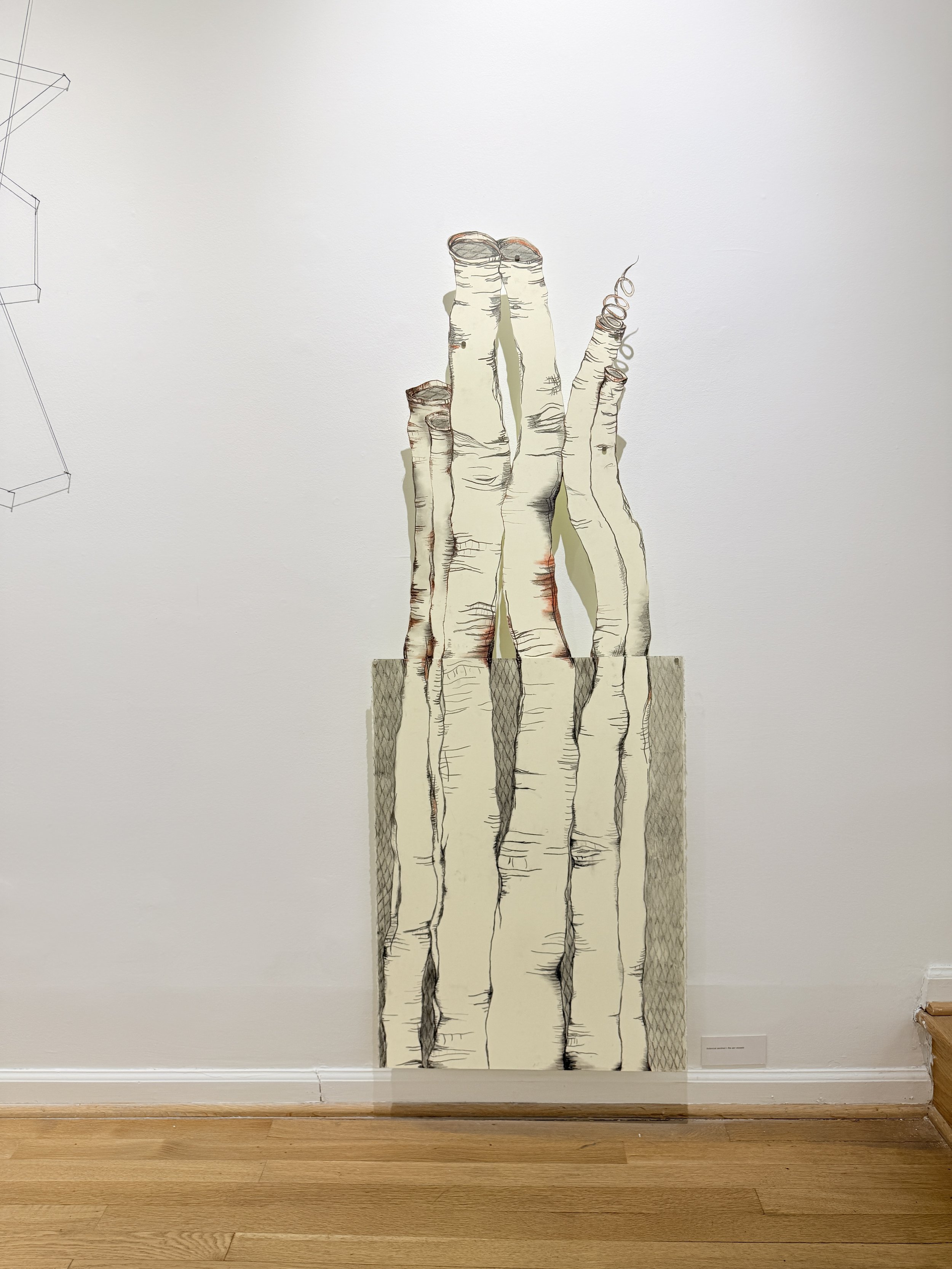
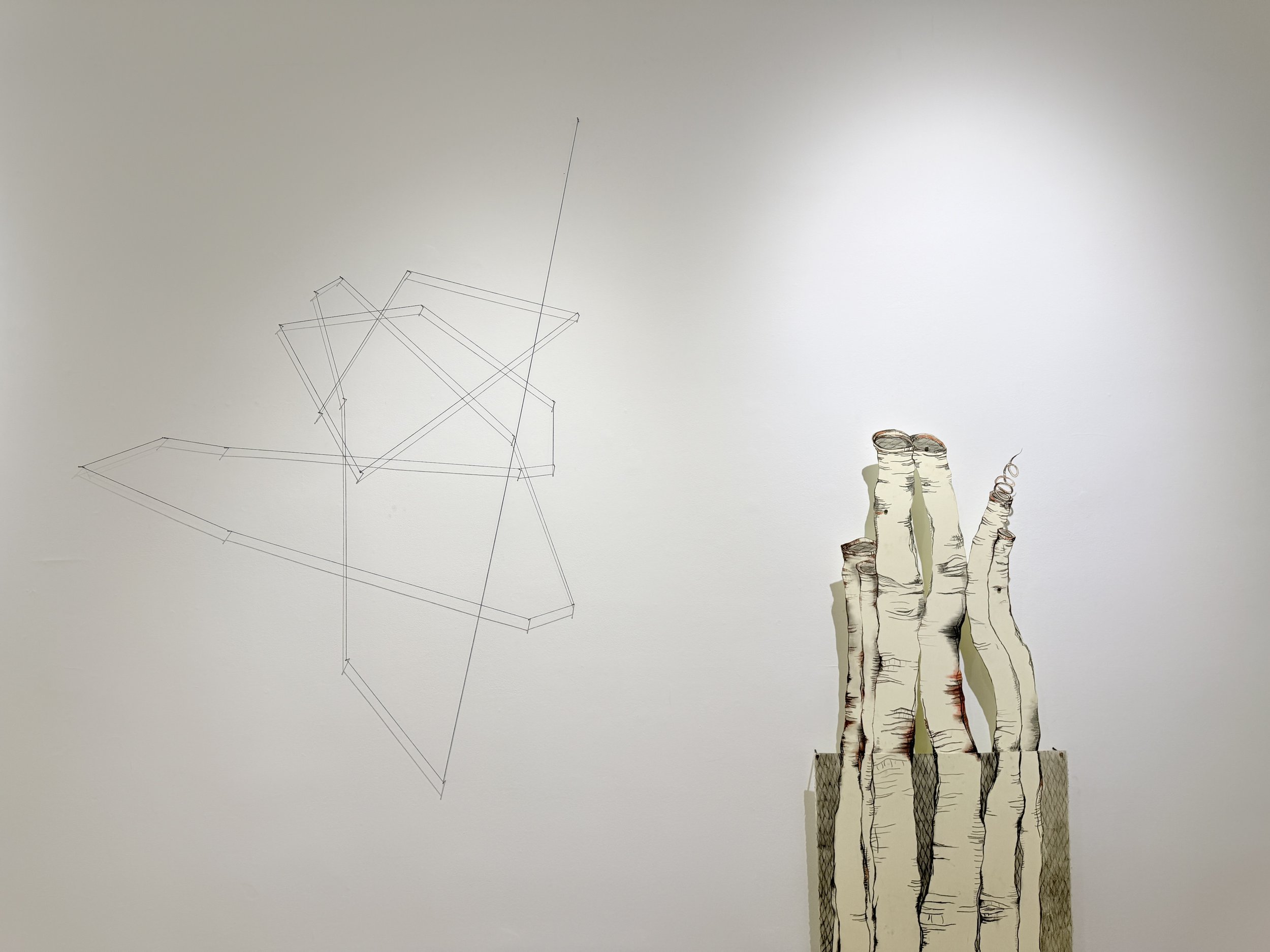
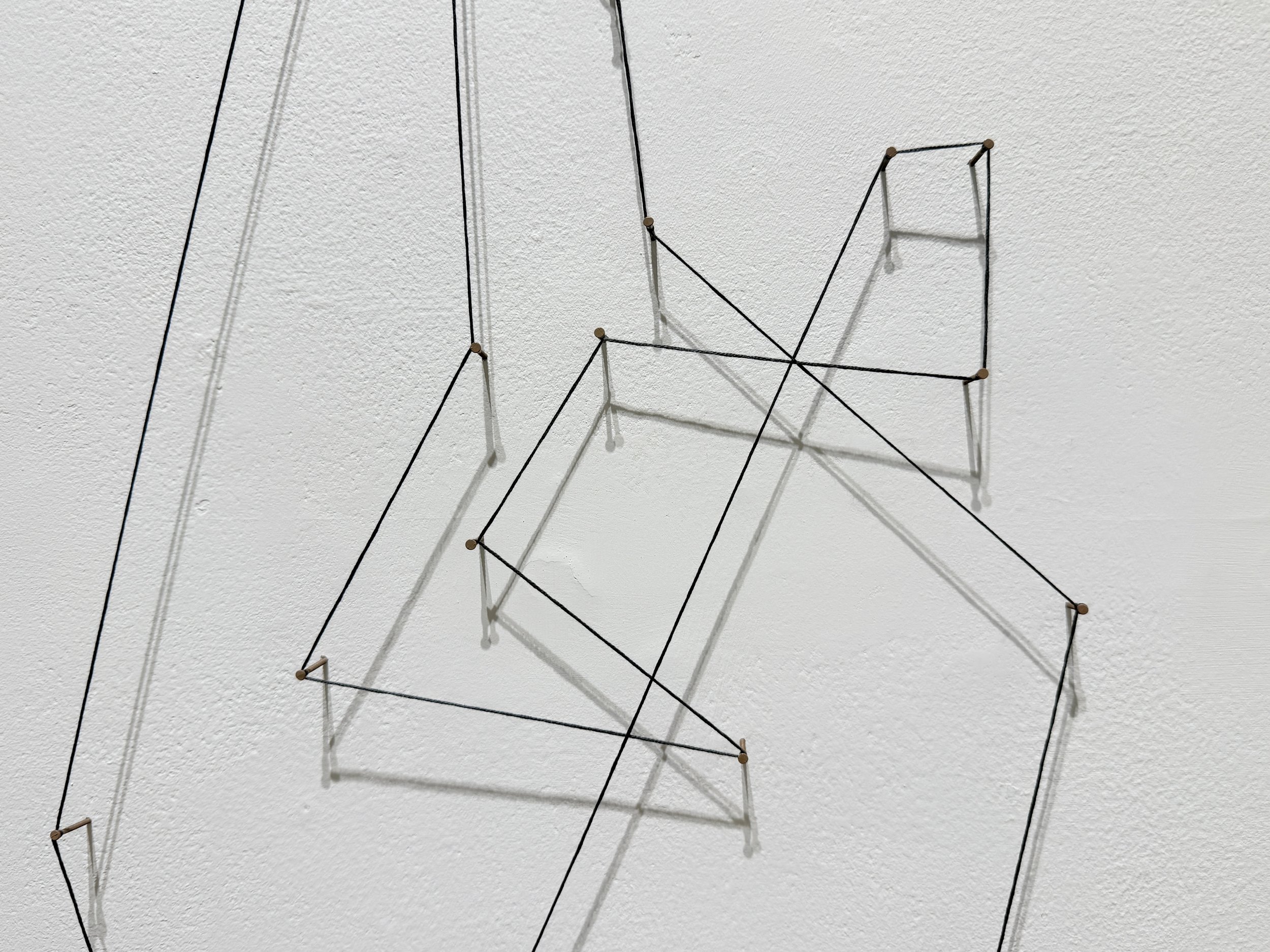
of permutations and patterns draws inspiration from several sources including early modern botanical illustrations; the diagrams of plant circumnutation (the autonomous, cyclical movement of plants in response to environmental stimuli) done by Charles Darwin in the 1880s; and the engravings from Nehemiah Grew’s 1682 “The Anatomy of Plants,” some of the earliest studies of plant morphology through a microscope.
By integrating these visual elements and putting them in touch with contemporary research in critical plant studies, Hermanson explores the changing ways that vegetal beings have been addressed in the development of western science through the lens of art. By integrating organic elements and organized, grid elements, she considers how the biological and the human can be entangled and how science and art can be beautifully synthesized.
IA&A at Hillyer, Washington DC, january-february 2026
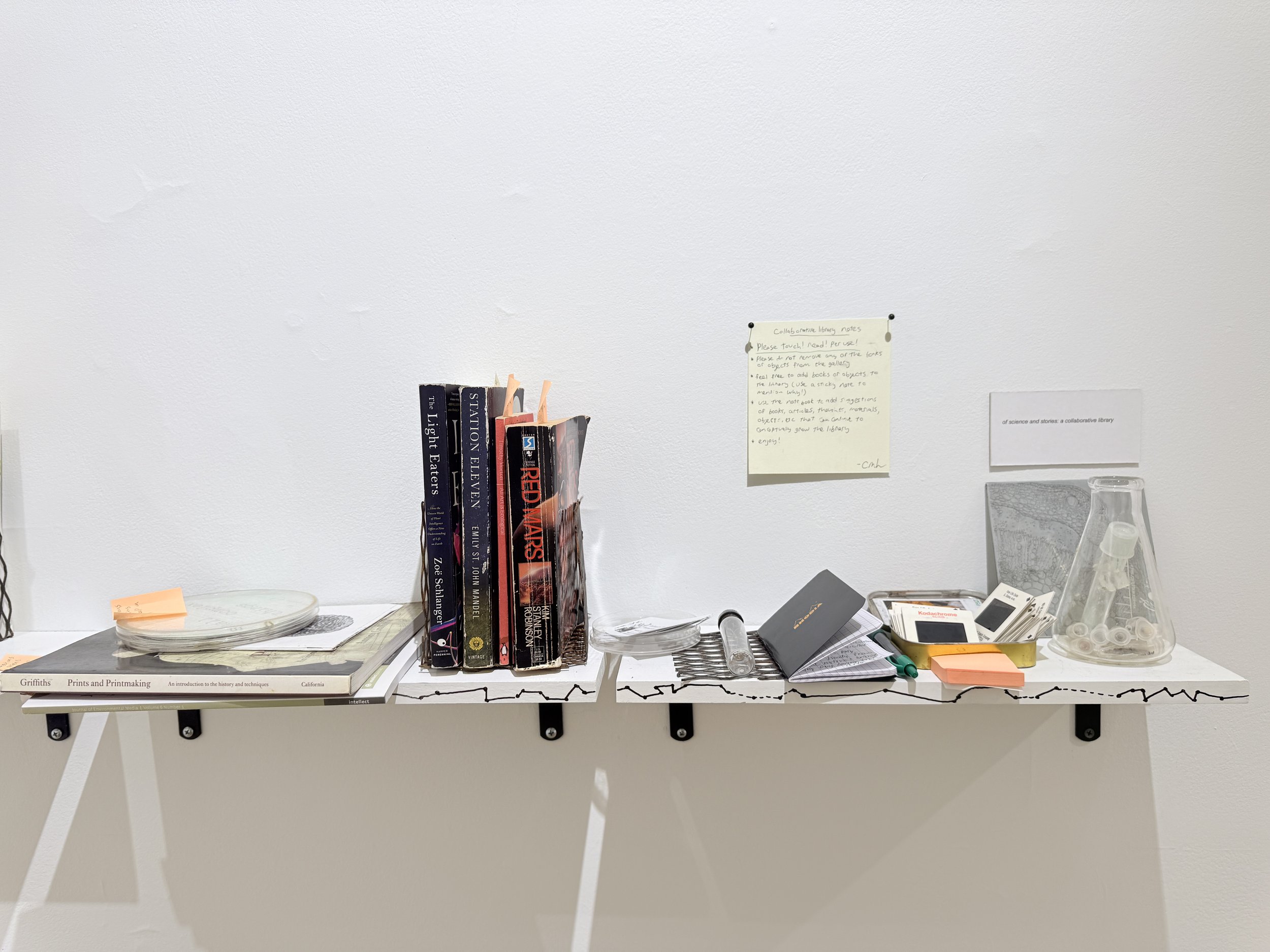
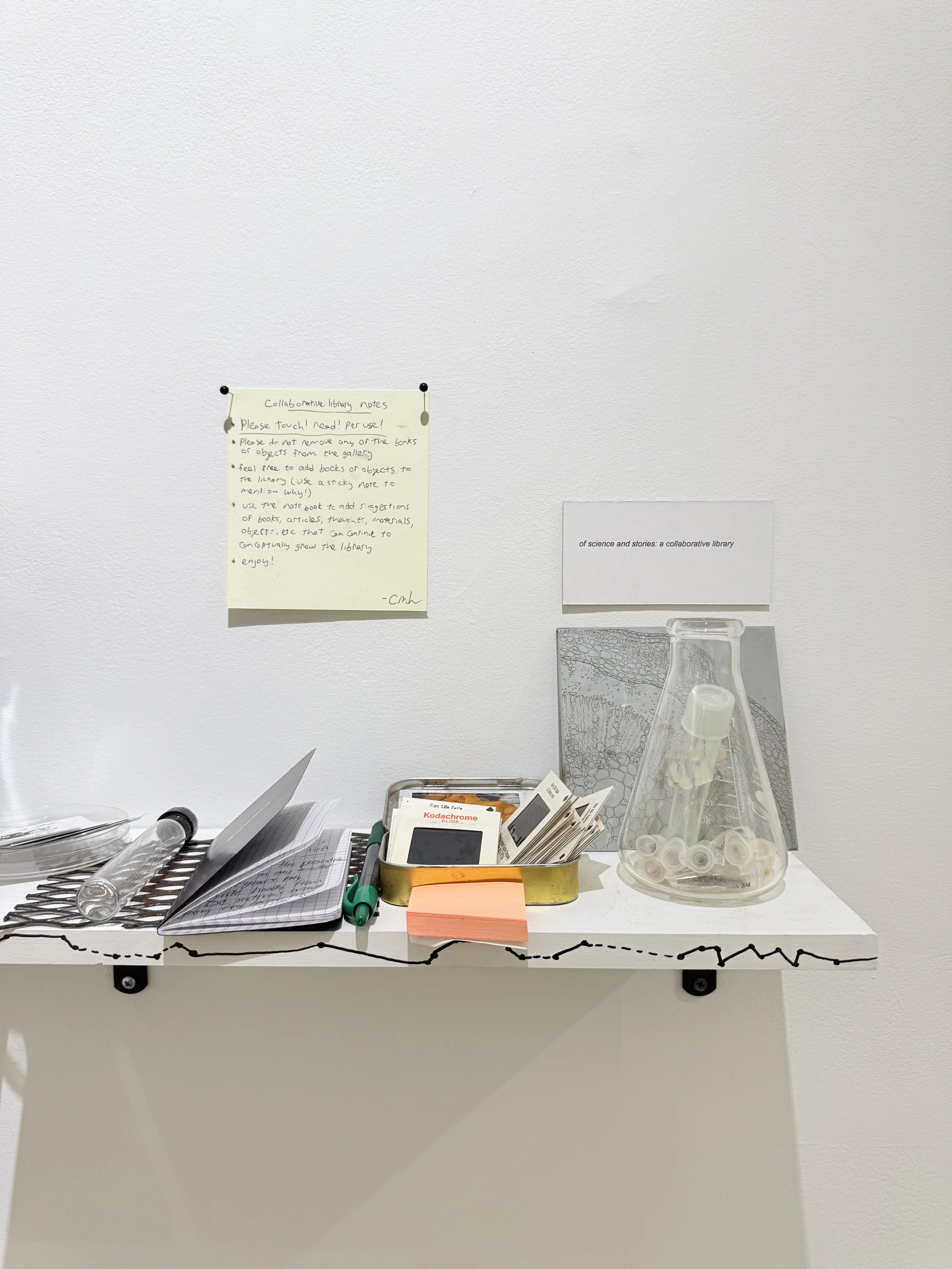
relief prints, graphite, conte, graph paper, embroidery floss, nails, magnets, found scientific slides of ferns and algae, eppendorf tubes, flask, books, shadows, light, seeds, ink, orchid flower, intaglio plate, notebook
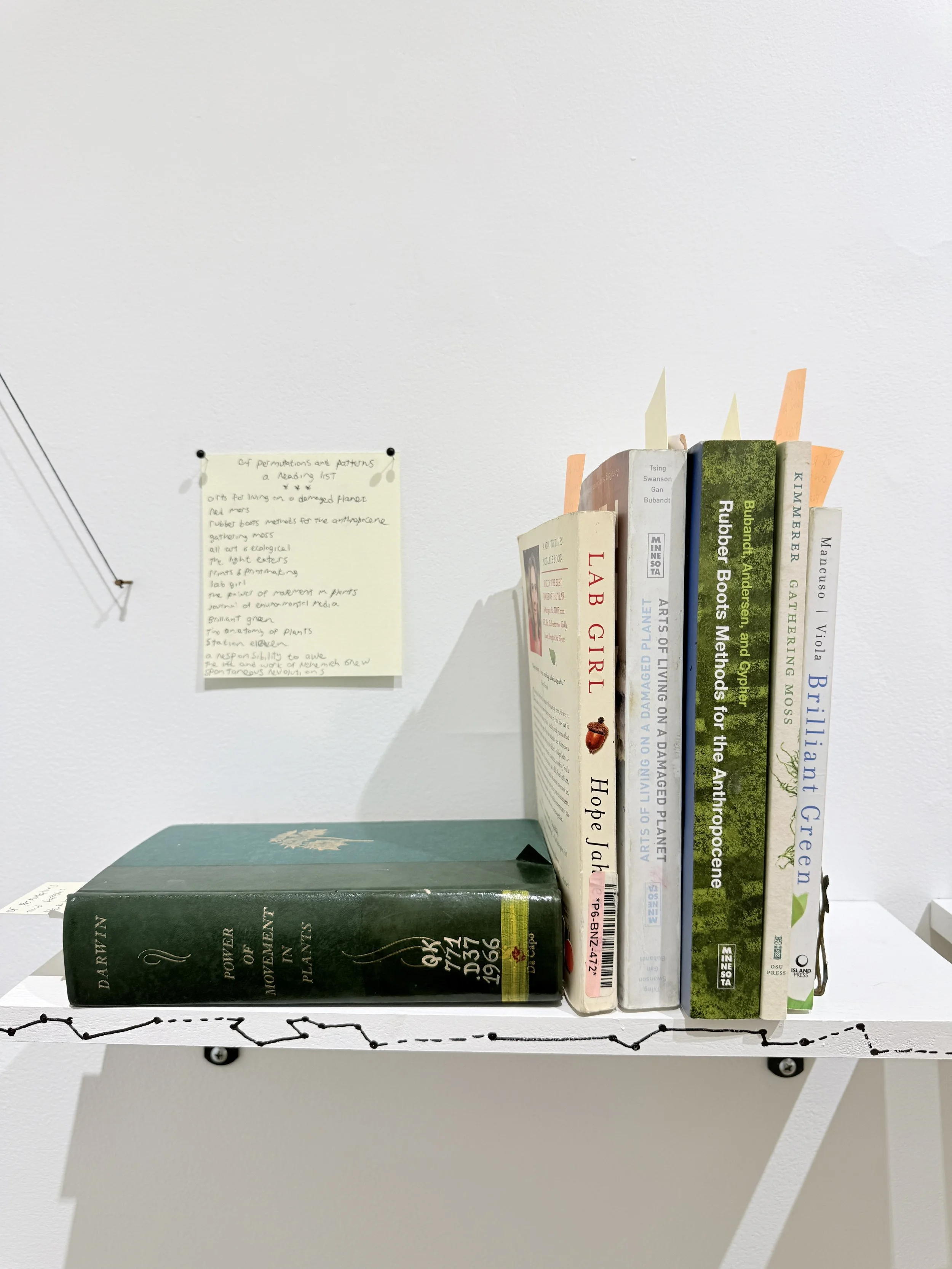
of science and stories: a collaborative library
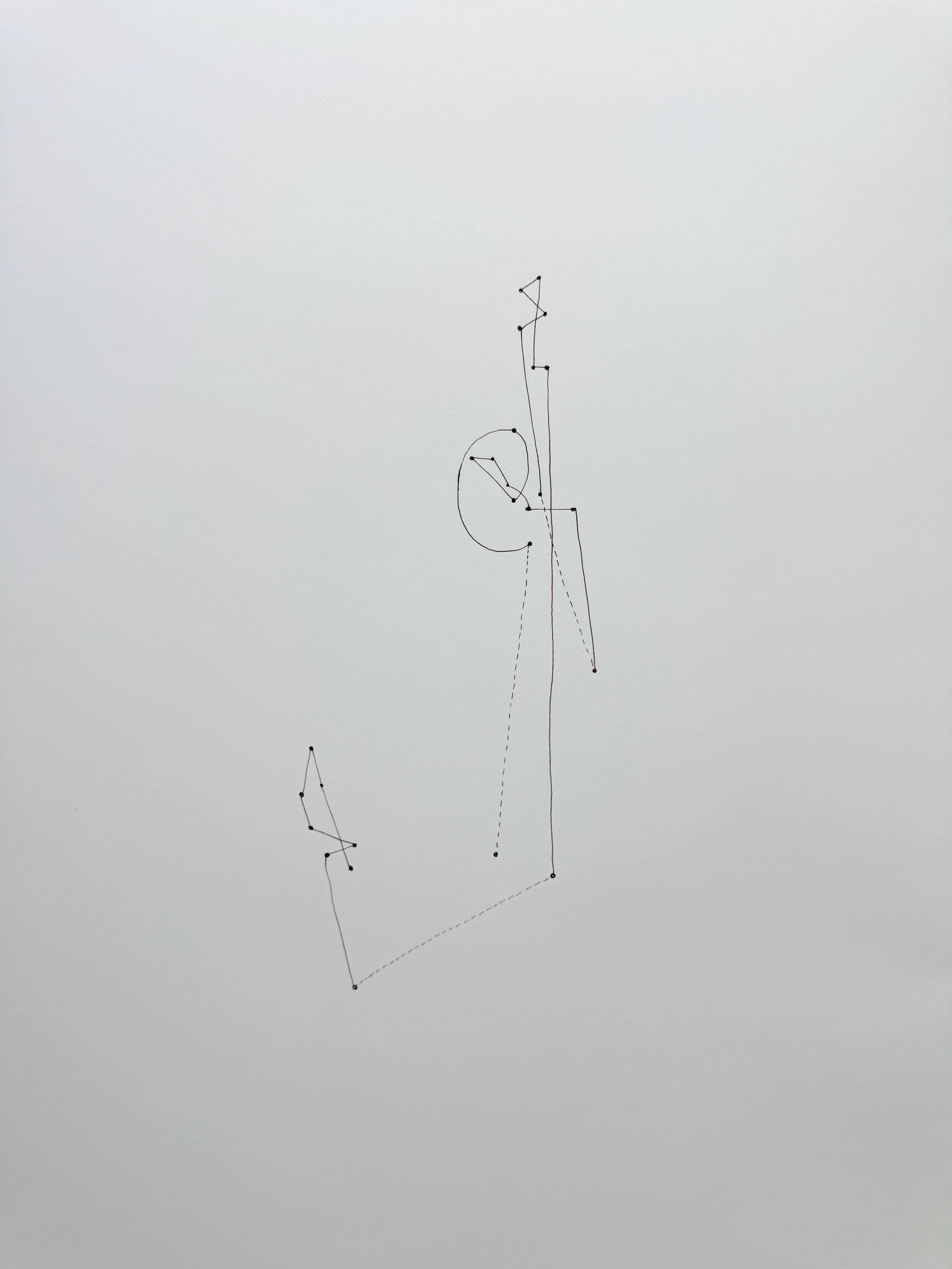
Trillium grandiflorum
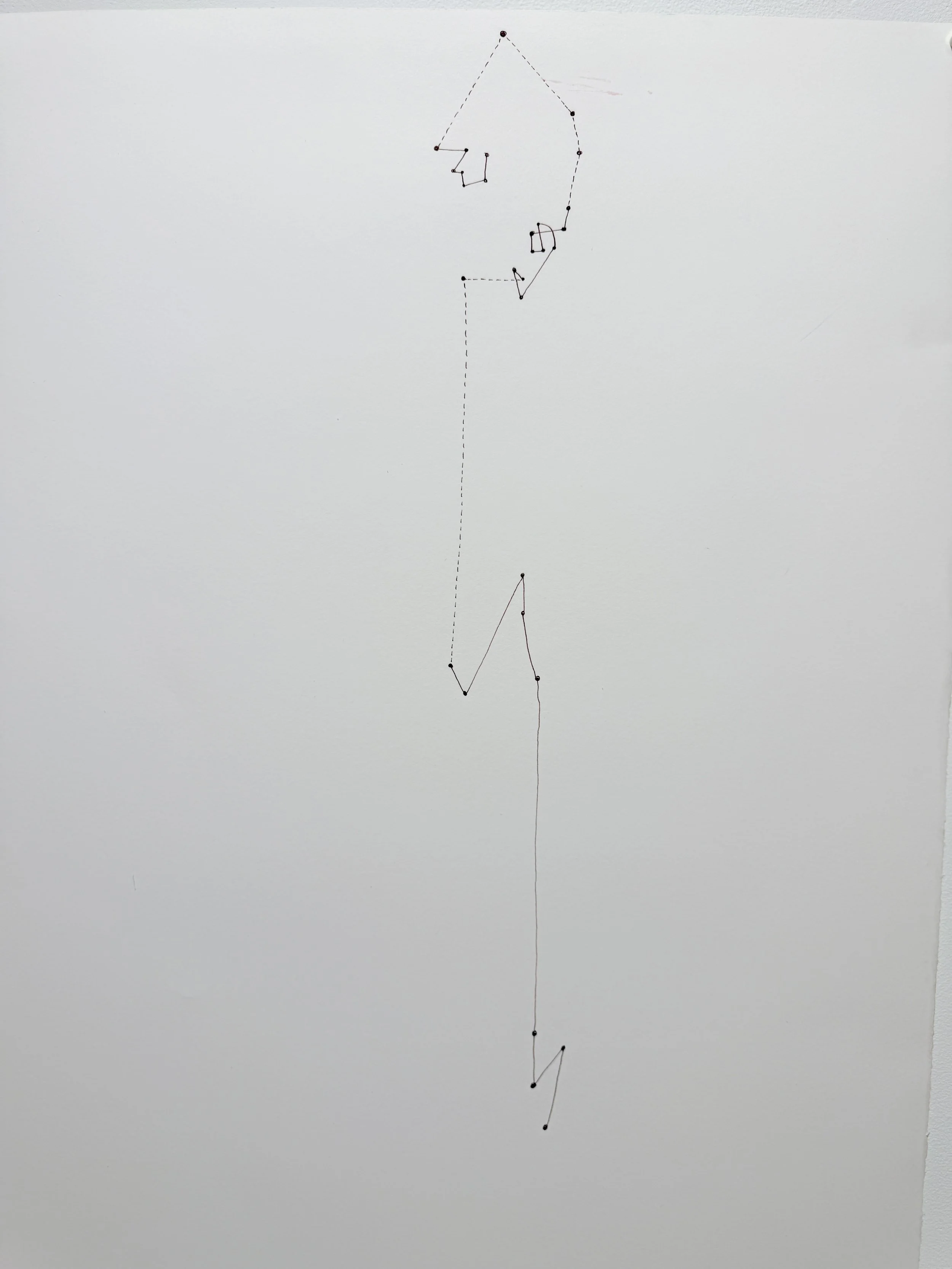
Parthenocissus tricuspidata
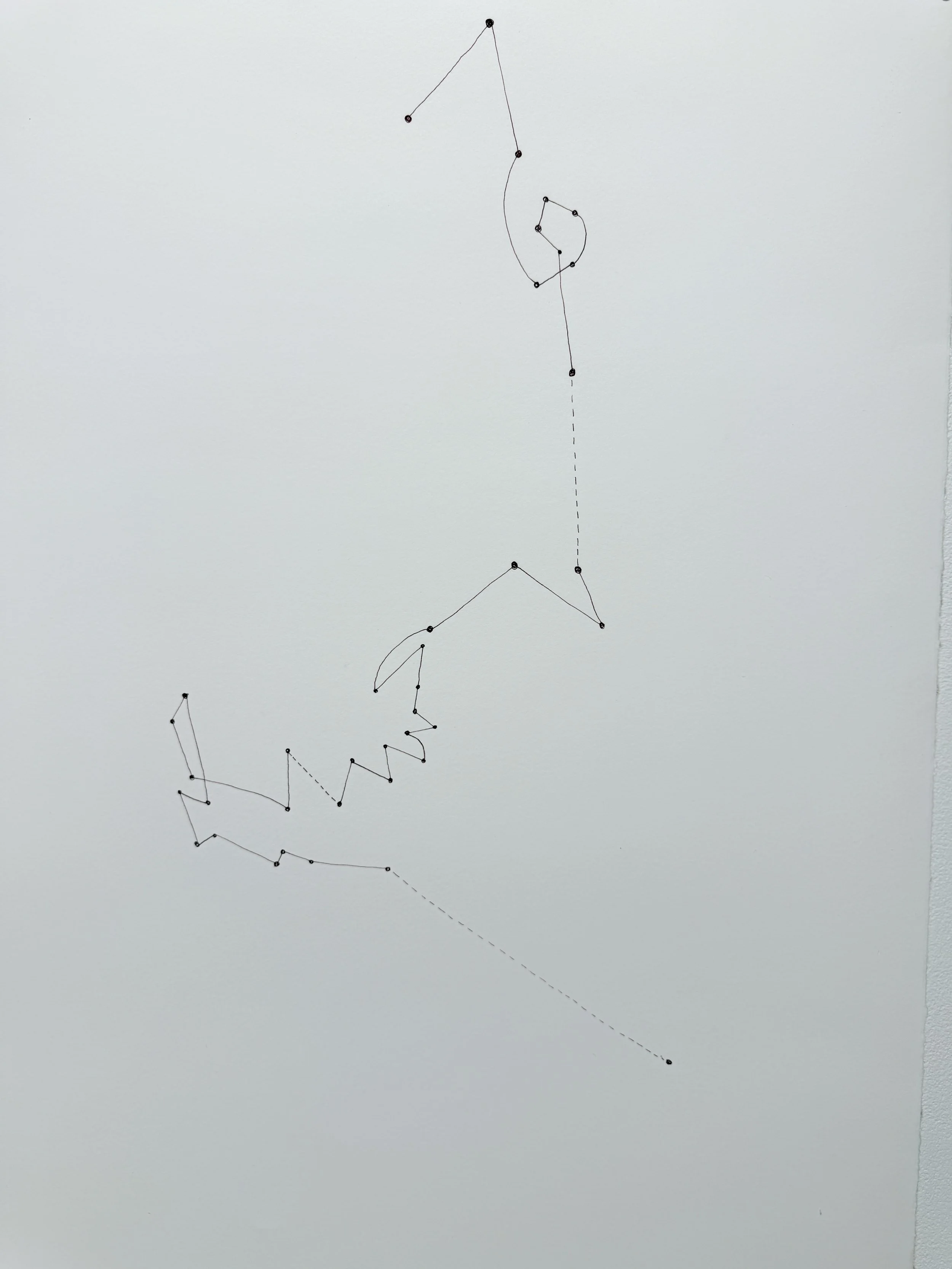
Dianthus caryophyllus